How to Choose the Perfect Fence to Keep Your Pets Safe and Happy May 27, 2026
When selecting a fence for pet safety, consider your pet's size and behavior. Small dogs might only require a shorter fence, whereas larger breeds or more active pets may need a taller structure. It’s also essential to consider whether your pets are likely to dig or jump. For agile jumpers, a taller fence without horizontal rungs is advisable to prevent escape. For diggers, consider installing the fence a few inches below ground level to deter tunneling attempts.
Material choice is another crucial factor. Options vary widely, but each comes with distinct advantages. Wood fences, for instance, offer a traditional and aesthetic appeal while providing solid containment — ideal for larger pets and those who might be prone to aggression or intimidation by passing strangers or other animals. Vinyl fencing, on the other hand, is durable and easy to maintain, economizing on long-term upkeep. Consider the toughness of metal fences wrought iron or chain-link for those who need maximum durability, noting that spacing between posts should be minimal to prevent escape for smaller pets.
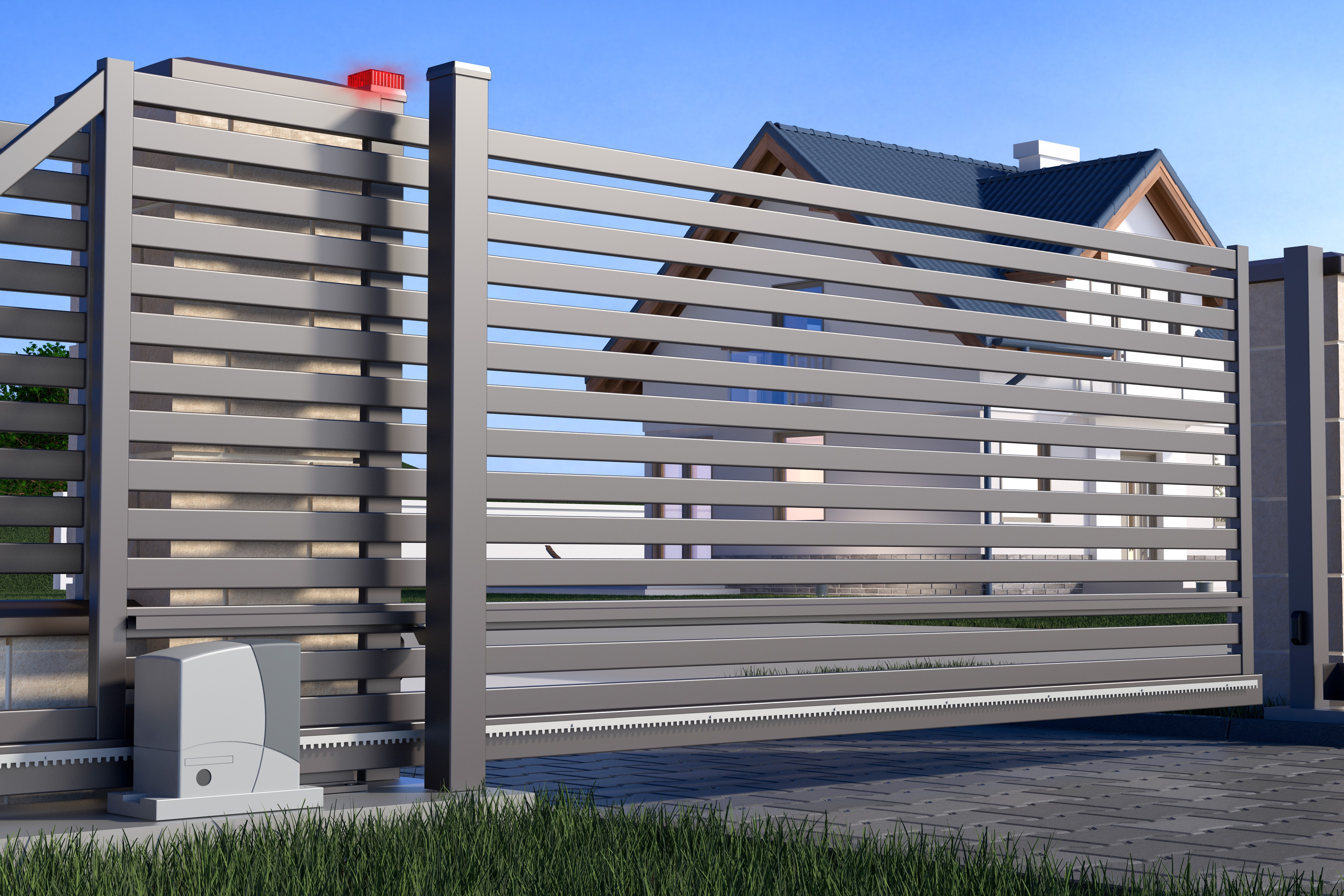
The placement and design of gates also require careful consideration. They should be positioned in a manner that prevents pets from accidentally opening them. Installing self-closing gates with secure latches is a great way to add an extra layer of security. Moreover, think about the visibility and soundproofing features of your chosen fence. Solid panels can reduce noise from the outside environment and limit visual stressors for your pets, promoting a calmer atmosphere.
Climate and environment play a significant role in your choice as well. If you live in an area prone to heavy rain or snowfall, a material that resists moisture and potential rot, like vinyl, might be best. Conversely, in sunnier climates, a wood fence treated with UV protection can be ideal.
Budget constraints often dictate the level of customizability and material scope. Although initial costs for materials like vinyl may seem higher, their longevity often offsets this investment over time, especially given their resistance to natural wear and tear. Always consider long-term costs versus short-term expenses.
Finally, understanding local regulations and neighborhood guidelines is vital. Certain areas have specific rules regarding fence height, materials, and territorial boundaries. Begin by checking local ordinances and homeowner association rules to ensure compliance, thereby avoiding unnecessary fines or modifications.
In conclusion, the perfect fence should complement the needs of your pets while also fitting seamlessly with your lifestyle and home requirements. By taking into account your pet's behavior, the local environment, your budget, and adhering to local regulations, you can create a secure and comfortable haven for your pets. At Taylor Fencing Solutions, our goal is to help you find that perfect balance, ensuring your pets stay safe and happy in their designated zone. Let us partner with you to bring your ideal fencing vision to life, providing peace of mind for you and freedom for your furry family members.
/filters:no_upscale()/filters:format(webp)/media/a7ee4c57-9bab-42bc-add8-da999a1a9bc2.jpeg)