Seasonal Fencing Care: Preparing Your Fence for Winter and Summer Jun 01, 2026
Preparing your fence for winter involves several straightforward yet crucial steps. The cold, damp weather can be particularly harsh on fencing materials such as wood and metal. Begin by conducting a thorough inspection to identify any existing damage or issues. Pay close attention to signs of wear such as rot, rust, or loose panels, as these can worsen during winter months. Once identified, repair these issues promptly to prevent further damage.
A preventive maintenance step is to apply a protective sealant or weatherproofing product to wooden fences. This layer acts as a barrier against moisture, preventing rot and decay. For metal fences, checking for rust and applying anti-rust treatment can help preserve the material. Also, ensuring that fences are clear of vegetation, leaves, and debris minimizes the risk of moisture accumulation, which can lead to significant damage over time.
Another key aspect of winter fence care is reinforcement. Heavy snowfall and ice buildup can weigh down on the structure, so make sure that any loose nails or screws are tightened, and broken pickets are replaced. Consider installing bracing or support for taller fences that are more susceptible to wind damage.
As temperatures transition from winter to summer, your fence will face different challenges. The summer heat and intense sunlight can cause wooden fences to dry out, warp, crack, or fade. To prepare your fence for the summer sun, a fresh coat of water-resistant paint or stain is beneficial. These not only refresh the appearance of your fence but also provide it with an additional layer of protection against UV rays.
Regular cleaning during the summer months is equally important. Dirt and dust can settle on your fence, attracting mold and mildew. Use a garden hose to wash away any build-up, or gently scrub with a mild soap solution for more stubborn grime. This simple action can prolong the fence’s life by maintaining the integrity of the material.
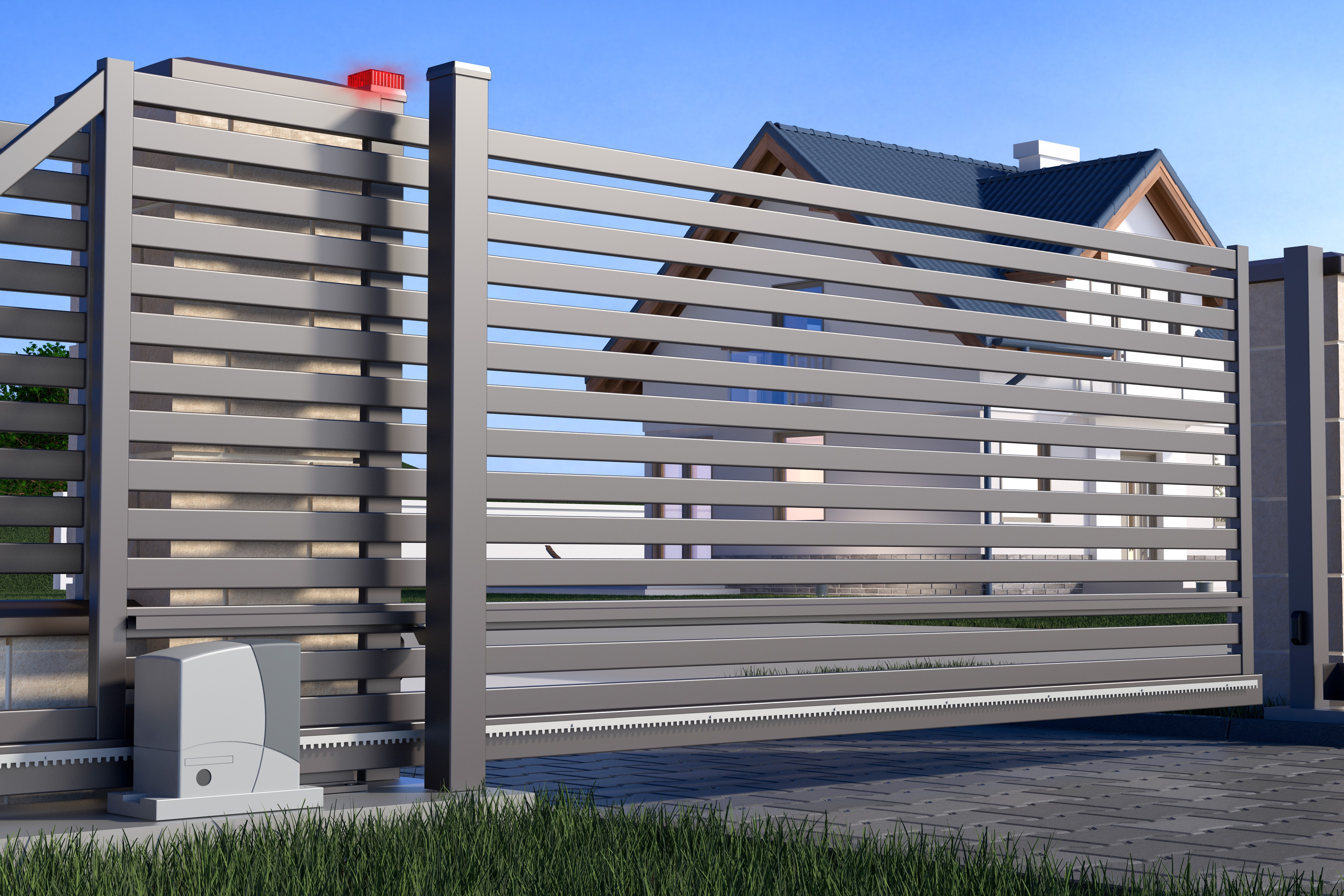
For metal fences, applying a corrosion-resistant coating is recommended to shield against the effects of rain and humidity. Like in winter, inspecting for any damages or weaknesses ensures small problems do not escalate into large repairs.
Lastly, consider landscaping as part of your fencing preparations. Clear any overgrown plants or vines that might be weighing down or intruding into the structure. During the summer, ensuring fences are sufficiently shaded can help reduce direct exposure to sunlight, preserving their longevity.
In conclusion, seasonal fencing care is more than just a routine task. It requires understanding the specific impacts of winter and summer conditions on your fence and taking proactive steps to mitigate these effects. By following the guidelines provided by Taylor Fencing Solutions, you can enjoy peace of mind knowing your fence is ready to withstand any seasonal challenge. Regular inspections, timely repairs, and preventative treatments are key to a long-lasting, durable fence that enhances the beauty and security of your property all year long.
/filters:no_upscale()/filters:format(webp)/media/a7ee4c57-9bab-42bc-add8-da999a1a9bc2.jpeg)